Bone Marrow Transplant
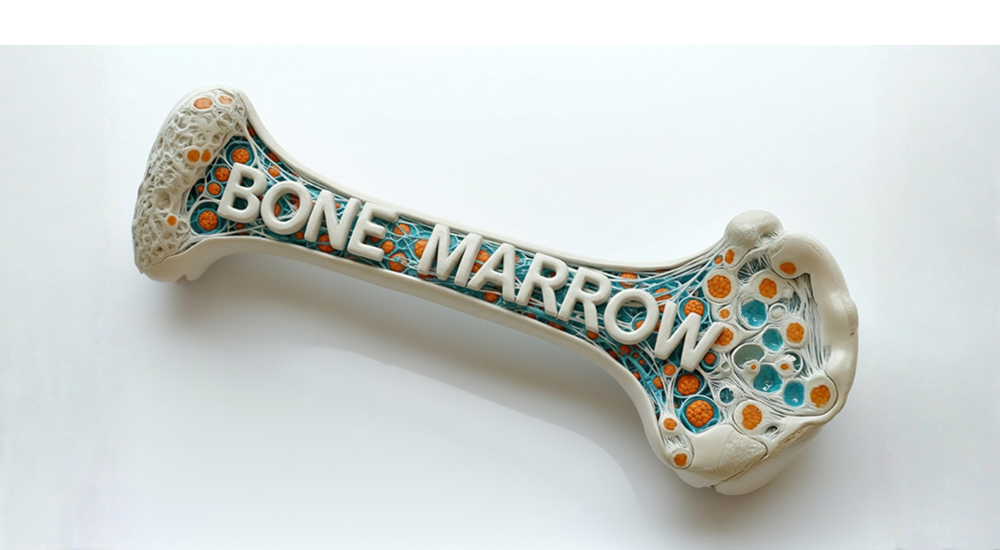
Transforming Lives with Expert Bone Marrow Transplant Care
At Aureus Hospital, we believe that a bone marrow transplant is not just a medical procedure; it’s a second chance at life. Our Bone Marrow Transplant (BMT) Centre in Nagpur offers advanced treatment for a wide range of blood cancers and genetic blood disorders. With cutting-edge technology, experienced specialists, and holistic patient support, we are committed to delivering hope, healing, and long-term recovery.
Our Facilities & Technology

HEPA Filtered BMT Units with Positive Pressure for Infection-Free Care

24×7 Hematology & Pathology Laboratory for Rapid Test Results

Cryopreservation Facility for Stem Cell Storage

Dedicated Oncology & Immunology Support Team for Comprehensive Care
Conditions We Treat
 Leukemia (Acute & Chronic Blood Cancers)
- Lymphoma & Multiple Myeloma
- Aplastic Anemia & Bone Marrow Failure Syndromes
- Thalassemia & Sickle Cell Disease
- Immunodeficiency Disorders
- Other rare blood and marrow-related conditions
Why Choose Aureus Hospital for Bone Marrow Transplant?
- Expert team of hematologists, oncologists, and transplant specialists
- State-of-the-art BMT unit designed to minimize infection risks
- Availability of both Autologous (self-stem cell) and Allogeneic (donor stem cell) transplants
- Strong support system including nutritionists, psychologists, and rehabilitation experts
- Transparent counselling for patients and families at every stage
Our Team
Our BMT program is led by highly qualified hematologists and transplant physicians who bring extensive experience in complex bone marrow transplants. The team collaborates with oncologists, critical care experts, infectious disease specialists, and counsellors to ensure every patient receives safe, compassionate, and comprehensive care.
Meet Our Doctor

Dr. Lalit Raut - Hematologist & Bone Marrow Transplant Nagpur
MD (Med), DM (Haematology & Haemato-Oncology) Fellow Leukemia/Bone Marrow Transplant
Trust Your Heart to the Experts
AppointmentFrequently asked questions
Q1. What is the difference between an autologous and an allogeneic bone marrow transplant?
An autologous transplant uses the patient’s own stem cells, usually for certain cancers like lymphoma and multiple myeloma. An allogeneic transplant uses stem cells from a matched donor, which is necessary for conditions like leukemia, aplastic anemia, and thalassemia. The choice depends on the diagnosis, disease stage, and availability of a donor.
How do you find a suitable donor?
Donor matching is done through HLA (Human Leukocyte Antigen) typing. While family members, especially siblings, are usually tested first, we also connect patients with national and international donor registries to improve the chances of finding a match.
What is the recovery process after a bone marrow transplant?
Patients usually require close monitoring in the BMT unit for 3–6 weeks post-transplant. Recovery involves regular blood tests, infection control, and nutritional care. Long-term recovery may take several months, during which patients are guided on diet, vaccinations, and lifestyle adjustments to regain strength and immunity.


Hello!
 24/7
24/7
 +91 87665 09593